
Not only am I alive, but I’m writing a post at a reasonable time of day. Truly, a late Easter miracle.
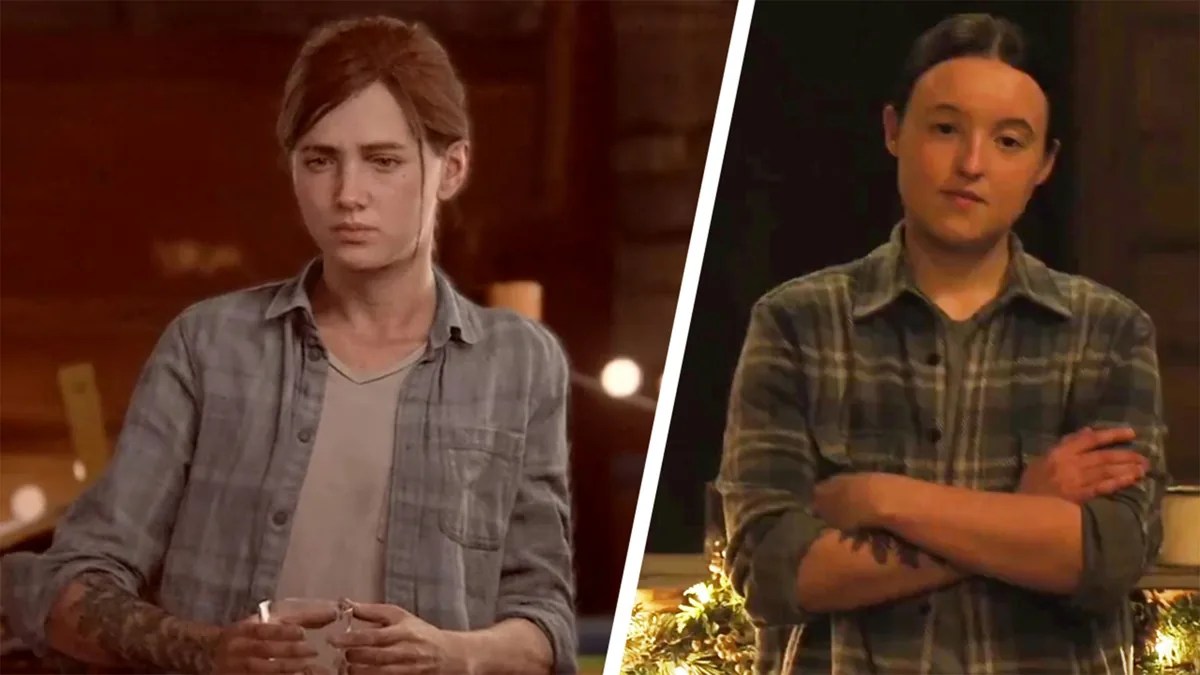
Something that has recently wormed its way into my head is the role of authenticity, accuracy, similarity (really any word that could mean an adherence to something) to source material in adaptations. Clearly, it’s important to grasp the key aspects of the original, such as tone, atmosphere, mood, etc… (yes, my thesaurus does have a weathered spine), but at what point does emulation of the original become a detriment?
I’m certainly not here to argue that wildly deviating from the source material is a good idea. We’ve seen enough of Super Mario Bros (1993) and Borderlands (2024) to know that slapping visual iconography on a project without any real interest in the original isn’t a great premise for an adaptation. That said, surely the opposite can be true as well. If you’re going to adapt something and then essentially take the entirety of the original, make minor, superficial changes and call it a new product, is that really worthy of more praise? Say what you will about that live-action Mario Movie, but it’s hard to argue that it was lacking in creativity, and is a truly memorable relic of a bygone era of lack of faith in the original product.
The reason for this attempt to explore the role of obedience to source material came from a thought that I had when watching the first season of HBO’s The Last of Us, a show that, despite a singular excellent (and I do mean excellent) episode sitting in the middle, was mostly an inferior adaptation of the original that was celebrated as the new gold standard in game-to-show adaptations simply because it was so close to that original.
The secret is that it wasn’t actually a very good show
Now, the budget was almost always on display, the acting was strong, and there was that aforementioned excellent episode, but a lot of the time, it felt like it was trying so hard to break the dreaded video game adaptation curse that it forgot to make any choices of its own. What is art, if not an expression of a creator? If you’re just directly adapting something, does your art have anything to say? Sure, you can argue that it’s just for a new audience to experience it, but then doesn’t that show a lack of faith in your audience – this is not the last time this idea of faith in an audience will be mentioned in this writing – and a lack of respect for the original medium? “Oh, we must adapt this for TV, a respectful means of consuming content, as games are far too low-brow for us.
Obviously, yes, this show has introduced The Last of Us to an audience that would never have otherwise experienced it, but it’s not in the same way that we might say a water tank introduces fresh water to an audience who otherwise wouldn’t have been able to drink it. Other than a very few who would have reason not to have been able to play the original game, a big reason this show is a first encounter with this universe is due to, in perhaps harsh words, apathy. If they had really wanted to play it, most people would have. Why did it become the job of the art to meet the audience? Should the onus not be on the viewer to approach the view?
This may all sound like an incredibly critical and pessimistic view of audiences, but I feel that I’m probably allowed to have one, as the show certainly doesn’t think very highly of us.
The truth is, episodes 1 and 2 of The Last of Us season 2 left a really sour taste in my mouth, as someone who both liked the game of The Last of Us Part II and respected the hell out of its willingness to actually try and challenge the audience, something that the show seems desperate to avoid.
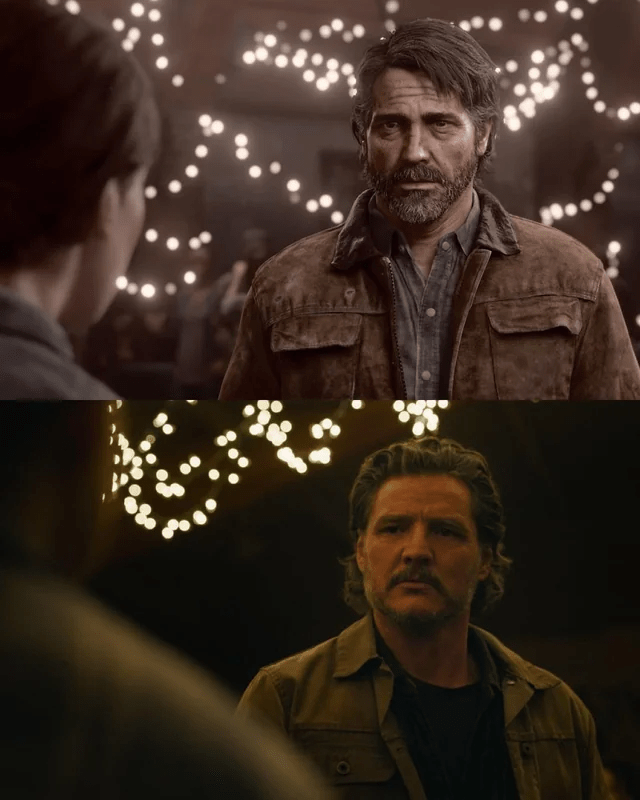
The infamous opening to The Last of Us Part II features the first game’s protagonist being brutally murdered. It’s a violent, uncomfortable, and disturbing scene, and the lack of ceremony is exactly what made it both so impactful and so correct for the story that it was trying to tell.
unfortunately, the caveat that I’m about to make mostly proves that the show might have been right not to have faith in its audience, as the scene and, as a result, the entire story, was torn apart by a moderately large part of the fanbase. A fanbase that, unfortunately, refused to see the OBVIOUS parallel that this had to the end of the first game. A fanbase that wanted Joel to either ride off into the sunset or die guns blazing in a last-ditch effort to save a loved one. They couldn’t accept that someone they loved had died in such a seemingly meaningless way at the hands of someone they knew almost nothing about. Reminds me of a certain surgeon lying on the floor as his daughter weeps over his body and swears revenge on the man who cruelly took his life, but I’m sure the rest of the audience also noted this similarity instantly and definitely didn’t send death threats to the developers.
To get back on track, the lack of faith that the show has in its audience can perhaps best be seen in something that it actually did ‘change’ from the source material. Whereas The Last of Us Part II goes through many of the beats that are replicated in the show, a number of them are shown later in the game through flashbacks, dreams, and other narrative turns. In the show, other than one scene (that I was sitting on the edge of my seat yelling “IF YOU SHOW THIS NOW IT WILL UNDERCUT THE ENTIRE NARRATIVE THROUGHLINE OF THIS SEASON” and was relieved to see was something they had correctly decided *hopefully* leave for the flashback later), almost all of the events are playing out chronologically.
[minor spoilers follow]
A big reason why Joel’s death is as impactful as it is in the game is because we really don’t know much about Abby at this point. We haven’t seen her find her dad’s body, we haven’t seen her have long conversations about how she’s not a terrible person. The trick of the game is to provide an antagonist who is really just our character, but without instantly revealing that to us. It’s only later that we realise just how much of a mirror of Ellie they are. They went looking for revenge. They found it and, when given the opportunity, took it. Ellie then goes on a similar path. Cycles of violence is the foundational pillar of the game, and is most effectively presented by not having us instantly know why Abby is doing what she is doing.
So, where does the lack of faith in the audience come in? Well, might I remind you of the backlash that the story faced when Joel was killed? It’s not hard to see that a big part of ‘humanising’ Abby, or perhaps making her more understandable at the get-go, is to alleviate some of the potential backlash that the moment might see in the show. Unfortunately, but doing that, the show has committed several things I personally (in my great wisdom) see as cardinal sins in art – and yes, this is all art, regardless of opinions on quality.
The impact of the act can only be truly felt of Abby is seen by the player in the exact way that she would have seen Joel. To change such a fundemental part of the plot, even in what might appear to be tiny ways, shines a spotlight on a set of creators who not only don’t have faith that their story is strong enough to challenge audiences and make them think, but who also seem to not have faith in the audiences ability to be challenged. Either way, someone or something isn’t being respected.
There are a myriad of other changes that have been made, both big and small, to the show, and I understand that there’s a certain irony in complaining that the show is too similar to the source material whilst also bemoaning the changes that have been made.
Unfortunately, I think it’s impossible to make the point I’m trying to make without bringing up how both over-adherence whilst transitioning to a new medium, and making changes to placate the audience/out of fear of backlash, are both examples of a loss of integrity.
There must be some sort of middle ground, however. Some way of respecting the original as its own art in a medium that is MORE ACCESSIBLE AND POPULAR NOW THAN EVER, whilst still deviating and telling new stories.
Whatever that way is, and as unpopular as this opinion is likely to be, The Last of Us Season 2 is not the right way forward.
More than ever, I would love engagement with this post. If you loved the games and the show, loved the show never played the games or any other combination of loving, hating, or never touching some of the franchise in its various mediums, I would love to know.
My big, and very arrogant gamer-y question to leave you with is this:
If you never played the game before, what was your reason? Did you not know it existed? Are you just not a gamer? were you worried it would be too challenging? Whatever the reason, I would be fascinated to know.
To follow on from that question in a no-doubt extremely inflamitory way, I ask this:
If you didn’t play the game beforehand, was it out of a lack of respect for the medium?
Enjoy.

 Y, Though?